Jamie
Jamiewp:image {“id”:12475,”sizeSlug”:”full”,”linkDestination”:”media”,”align”:”center”}
/wp:image
wp:paragraph
Technology has been developing at an incredible rate. Think about where we are as a society now versus the 1990s. Now, think back just 10 years prior to that. We have made the kind of progression that has literally changed the shape of society as a whole.
/wp:paragraph
wp:paragraph
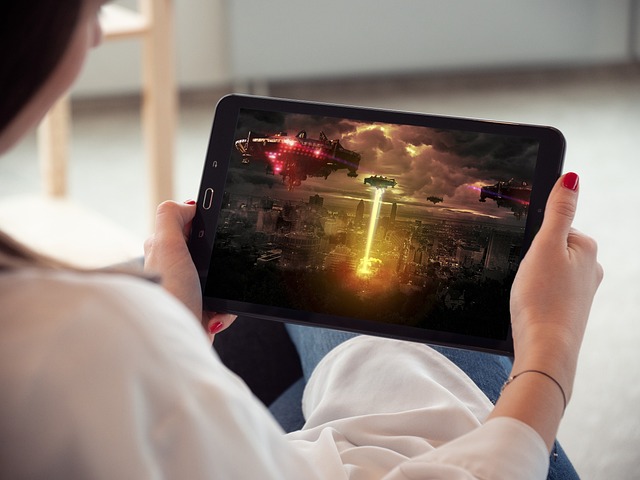
One of the sub-developments within that technological evolution is the rise of mobile entertainment. What was once thought of as something in the distant future is now available in our pockets.
/wp:paragraph
wp:paragraph
Sports betting through 1xbet NBA odds and mobile entertainment are becoming more involved, sophisticated, and convenient, which are but a part of the overall popularity of the medium.
/wp:paragraph
wp:heading
Offline Viewing
/wp:heading
wp:paragraph
One of the early challenges of mobile entertainment was what to do if no internet connection was possible.
/wp:paragraph
wp:paragraph
Sure, you may have had cellular connections, but those could get extremely expensive depending on your plan and usage. In recent years, some mobile platforms have made it possible to download content to watch where connections are sparse.
/wp:paragraph
wp:paragraph
Take Netflix, for example. You can download entire shows and movies, bringing them on the go with you. Traveling even an hour has been completely transformed, allowing users to bring virtually any form of entertainment along with them.
/wp:paragraph
wp:paragraph
When you download that content, you aren’t vulnerable to spotty connections that can give out depending on where you are.
/wp:paragraph
wp:heading
Mobile-Friendly Interfaces
/wp:heading
wp:paragraph
Mobile web browsing has been around for about 15 years or so, but it has arguably come the furthest. If you had a flip phone or an early iPhone, think back to when you tried to access a website. It felt like you needed a degree to do so with any sense of accuracy or ease.
/wp:paragraph
wp:paragraph
Now, think of all you can do on your smart device. You can send texts, watch videos, stream content live, access online banking information, and a million other things.
/wp:paragraph
wp:paragraph
All of this is because most interfaces are designed to be mobile friendly so that users can find what they are seeking without having to jump through hoops to do so.
/wp:paragraph
wp:heading
Short-Form Content
/wp:heading
wp:paragraph
Within the mobile entertainment niche is a growing trend. Short-form content has become a huge piece of the mobile entertainment platform, thanks in large part to platforms like TikTok. Users are looking for more digestible entertainment, clips that can be all of a view seconds up to several minutes.
/wp:paragraph
wp:paragraph
This trend is better for engagement because viewers can see the content, interact within the comments, and move on to the next video. Even short-form videos are moving from episodes that are traditionally 30-60 minutes to being around 5-10 minutes.
/wp:paragraph
wp:paragraph
Viewers can binge watch entire catalogues within an afternoon without feeling like they lost half of their lives doing so. It is almost perfect for consuming entertainment while on the go.
/wp:paragraph
wp:heading
Personalized Recommendations
/wp:heading
wp:paragraph
Finding the next great thing online can sometimes feel like a challenge. We all find our favorites, but how we get there can vary. Now, these platforms are developed in a way to study our trends, to see the kind of content we enjoy consuming, and begin to offer suggestions that are tailored to the things we like.
/wp:paragraph
wp:paragraph
That kind of personalization cuts in two ways. Yes, it is important for us to get access to the content that we enjoy, but the reality is that companies are trying to find out better ways to sell to us.
/wp:paragraph
wp:paragraph
Advertising strategies are becoming more and more personalized and diverse, largely based on data driven by our consumption habits and viewing patterns.
/wp:paragraph