Jamie
High-resolution cameras, real-time computational photography and high-specification video recording are placing greater combined demands on flagship smartphone processors and cooling systems.
This is particularly true when continuous shooting, live preview and post-capture image processing take place simultaneously, as peak processor performance alone cannot address every challenge.
The OPPO Find X10 Pro Max integrates a 2nm mobile platform, system scheduling, thermal architecture and a large-capacity battery around the demands of image processing, exploring a balance between flagship imaging performance and sustained power efficiency.
The 2nm Platform and System Scheduling Work Together to Allocate Computing Resources
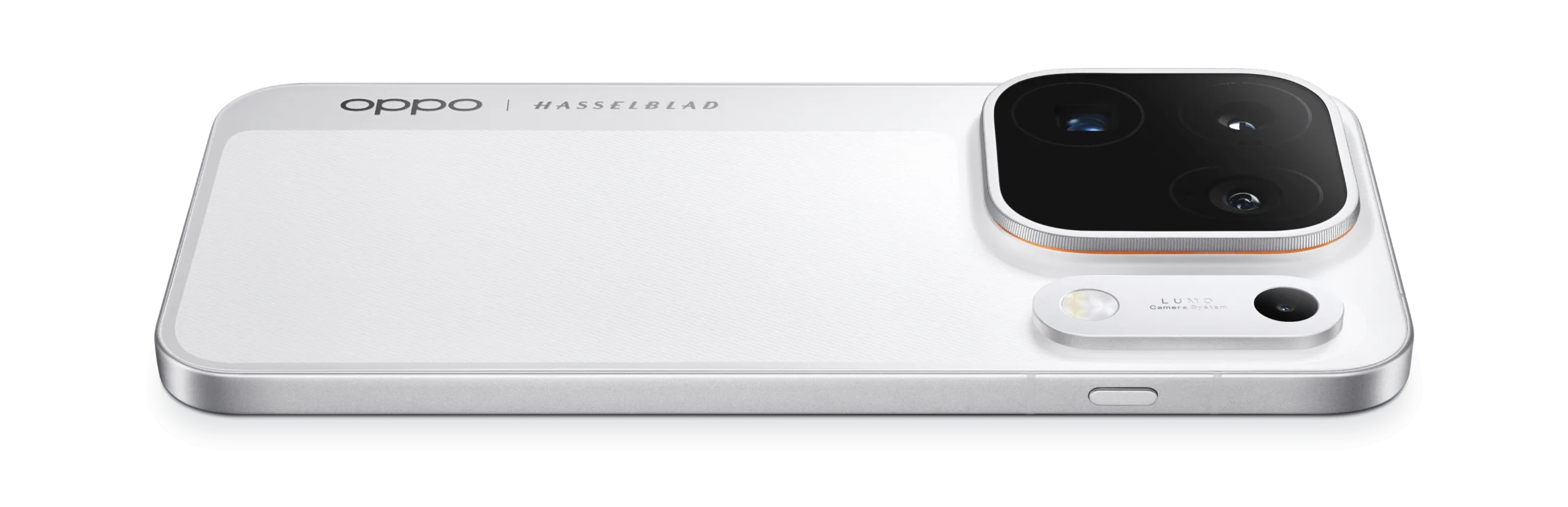
The OPPO Find X10 Pro Max is powered by the MediaTek Dimensity 9600 Pro, built on TSMC’s 2nm N2P process, with a CPU comprising 2 Prime cores and 6 Performance cores.
Rather than focusing solely on peak processor performance, the device also incorporates the Laminar Flow Engine and Falcon Scheduler.
The system can adjust resource allocation according to applications and workload demands, reducing unnecessary competition for resources between performance-intensive tasks and everyday background processes.
Chip-Level Frame Tracking 2.0 further optimises scheduling at the frame-processing level, providing system support for real-time imaging previews and demanding image-processing tasks.
Thermal Design Built Around Sustained Workloads
Processing 200MP photos and recording high-specification videos generates different types of thermal loads. The OPPO Find X10 Pro Max features the 3D Cryo-velocity Cooling System, equipped with a 4650 mm² VC vapour chamber to help transfer and distribute heat from localised areas.
This thermal architecture works alongside chip energy management, with a focus on handling continuous imaging workloads rather than supporting only short bursts of performance.
Large-Capacity Battery to Support Mobile Creative Workflows
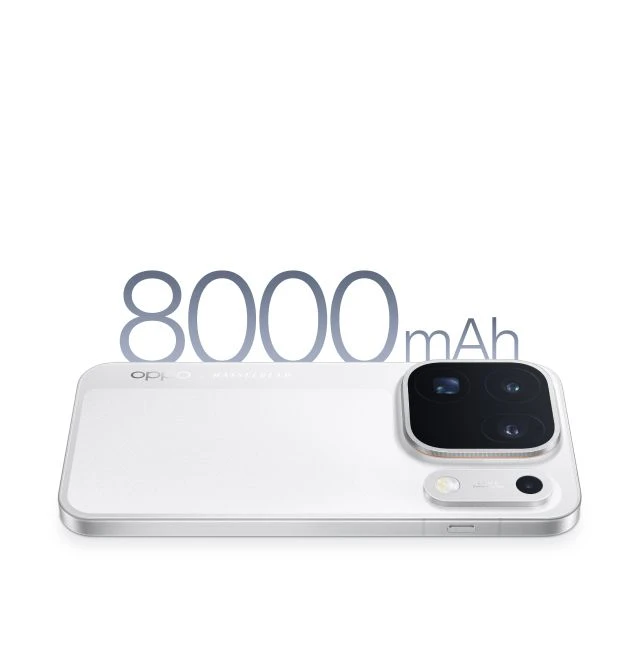
The device is equipped with an 8000mAh Large Battery and supports 80W SUPERVOOC Flash Charge and 50W AIRVOOC Wireless Flash Charge.
For users who frequently shoot on the go, battery capacity, charging capabilities and thermal performance need to be considered together. Through its chipset, scheduling, cooling and battery design, the OPPO Find X10 Pro Max establishes a hardware foundation for extended mobile use.
Conclusion
The performance of a flagship smartphone cannot be judged by processor specifications alone. Image processing requires computing resources, sustained operation requires thermal support, and mobile use depends on sufficient battery capacity.
By combining a 2nm processor, Laminar Flow Engine, Falcon Scheduler, VC cooling architecture and an 8000mAh Large Battery, the OPPO Find X10 Pro Max demonstrates a shift from individual performance upgrades towards comprehensive device-level power efficiency.
FAQs
Q1: What does the Laminar Flow Engine do, and how is it different from the processor?
A: The Dimensity 9600 Pro provides computing power, while the Laminar Flow Engine contributes to system performance management. Working together, they help allocate resources according to different workload requirements.
Q2: What practical difference does a 4650 mm² VC vapour chamber make?
A: It provides a larger structural foundation for transferring and distributing heat inside the device, helping address localised heat concentration. This is particularly useful for scenarios involving sustained image processing.
Q3: Does an 8000mAh Large Battery mean I can record videos all day without worrying about battery life?
A: A large-capacity battery does provide more power reserves. However, actual battery life depends on factors such as continuous recording, screen brightness, network connectivity and ambient temperature.
Q4: Will the phone noticeably slow down when taking photos, editing videos and running other applications simultaneously?
A: The Dimensity 9600 Pro, combined with Falcon Scheduler and Chip-Level Frame Tracking 2.0, provides system-level resource scheduling support for multitasking and image processing. Actual performance still depends on the applications being used and the workload involved.
Q5: Is this performance design more suitable for gamers or video creators?
A: Both types of users can benefit from the high-performance platform and cooling design. However, the OPPO Find X10 Pro Max’s 200MP triple-camera system, professional video formats and large-capacity battery also make this hardware configuration particularly suitable for frequent imaging and video creation.
Sources
OPPO Find X10 Pro Max official product | OPPO Find X10 Pro Max official specifications