Jamie
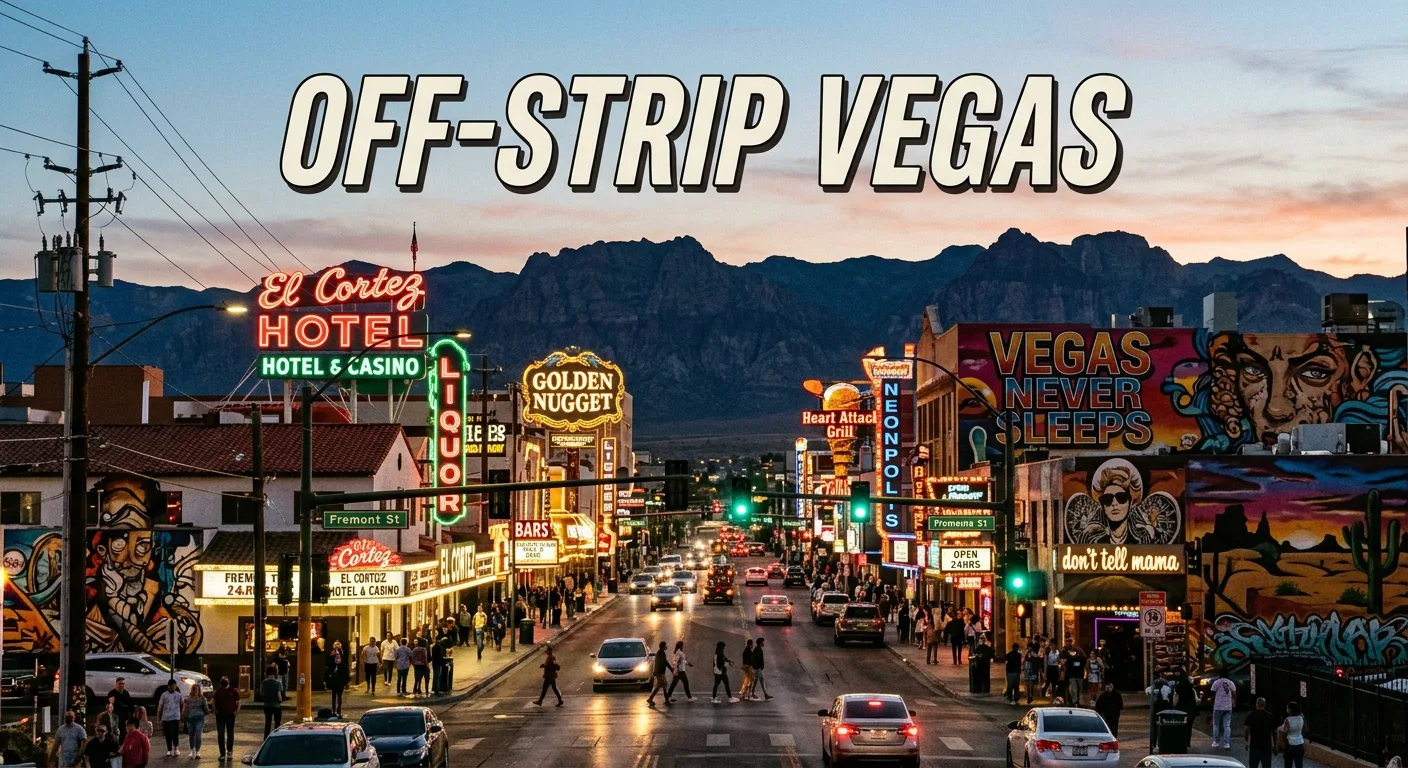
Most first-time visitors spend their whole trip walking the same four miles of Las Vegas Boulevard. They see giant resorts, fountains and crowds, then fly home thinking they have seen the city. Beyond the Strip are old neon signs, a lively arts scene, affordable food and red rock scenery that looks like another planet.
For students on a tight budget, these places are often cheaper, less crowded and far more memorable than the famous resort zone. This guide covers where to go, what to expect and how to plan a trip that feels like your own.
Why Leave the Strip at All?
The Strip is fun, but it is designed to keep you inside, spending money. Heading elsewhere shows how locals live and what the city was like before the mega-resorts.
Here are the main reasons to explore further:
- Prices for food and entry tickets are usually lower away from the big resorts.
- Crowds are smaller, so you get more time and better photos.
- Many places tell the real history of the city, from its mob era to its neon age.
- Nature is close by, with desert parks less than an hour’s drive away.
Even one afternoon away from the resorts changes how you see the city.
Downtown and the Old-School Side of the City
Downtown Las Vegas is where the city’s gambling story began. It is compact, easy to walk, and full of character.
Fremont Street Experience
Fremont Street is a pedestrian zone covered by the Viva Vision canopy, a huge LED screen about 1,375 feet long that runs light shows every evening. Street performers, live music and the SlotZilla zip line keep it busy until late.
Keep in mind that the legal gambling age in Nevada is 21, and casinos check ID carefully. Students of legal age who want to learn how casino games work before a trip can explore V Vegas online to get familiar with slots and table game formats, always following the laws where they live. Understanding the rules first makes any real visit calmer and more budget-friendly.
The Mob Museum and the Neon Museum
The Mob Museum sits in a former federal courthouse and post office. It explains how organized crime shaped the early city and how law enforcement fought back. It is interactive and popular with history and law students.
A short ride north, the Neon Museum displays retired signs from old casinos and motels in its outdoor Boneyard. Evening tours are especially popular, so book ahead.
Neighborhoods Worth a Wander
Some of the best finds are whole areas with their own mood.
The Arts District
Also called 18b, the Arts District is full of galleries, vintage shops, murals and small bars. On the first Friday of each month, the area hosts First Friday, a street festival with local art, food trucks and music.
Chinatown on Spring Mountain Road
This stretch serves some of the city’s cheapest and tastiest meals. You will find ramen, dim sum, Korean barbecue, Thai and Vietnamese food. Many places stay open late, which suits student schedules.
Desert Escapes Within a Short Drive
With a car, you can reach some spectacular desert sights, each suited to a different kind of day trip.
Red Rock Canyon, about 17 miles west of the Strip, is ideal for hiking and a 13-mile scenic drive, though timed-entry reservations are required in busy months. About 25 miles south, Seven Magic Mountains by artist Ugo Rondinone features brightly painted boulder towers over 30 feet tall, so come early for colorful photos without the heat.
Hoover Dam, about 35 miles southeast, suits anyone curious about engineering and history, and visitors should expect security checks at the entrance.
Valley of Fire, about 50 miles northeast, is Nevada’s oldest state park, dedicated in 1935, and its red sandstone and ancient petroglyphs are worth the trip if you carry plenty of water.
Staying Safe in the Desert
Summer temperatures often pass 104°F, so heat is a real risk. Start hikes early, tell someone your plans and never rely only on phone signal.
Stretching a Student Budget
A trip off the Strip can be surprisingly cheap with a few simple habits:
- Use the RTC buses, including the Deuce, which connects the Strip and Downtown.
- Split car rental costs with friends for desert day trips.
- Eat in Chinatown or at food trucks instead of resort restaurants.
- Plan around free events such as First Friday and the Fremont Street light shows.
- Check student discounts at museums before buying tickets.
Small choices like these leave more money for the experiences you actually came for.
Timing Your Visit
Spring and fall offer the best weather. Weekdays are quieter, and hotel prices often drop. In summer, due to the high temperatures, plan activities early in the morning and save evenings for places like the Neon Museum and Fremont Street. Before booking, check the event calendar, because it can push the room rates higher.
Leaving With More Than Photos
The most rewarding trips happen when you step away from the obvious routes. Old signs, local food, quiet galleries and wide desert views give you stories that a single resort cannot.
Plan carefully, respect age limits, stay hydrated and leave space in your schedule for spontaneous detours. Some of the best memories will come from places you almost skipped.