Chandan
wp:paragraph
Google has secured a patent that could bring advanced facial recognition to Android phones, similar to Apple’s Face ID. Instead of needing extra hardware, this system uses the phone’s display to project light patterns for 3D face mapping. This breakthrough could lead to more secure and sleek smartphone designs in the future.
/wp:paragraph
wp:heading
How Google’s new Face ID patent could affect Android industry
/wp:heading
wp:paragraph
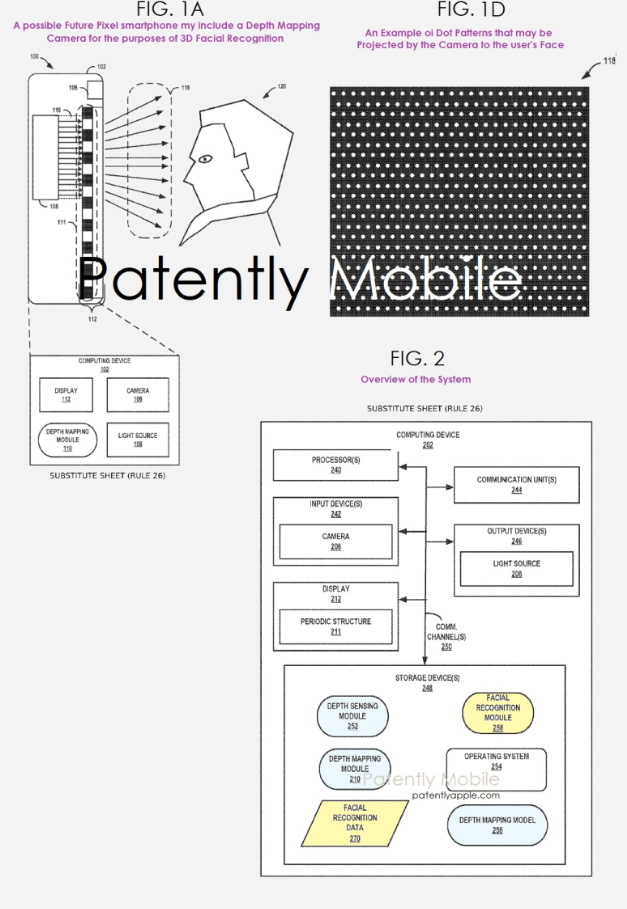
Most 3D facial recognition systems rely on additional sensors, but Google’s new patented technology turns the smartphone screen itself into a key component. Light passes through the display, creating patterns that map the user’s face in 3D. A camera then captures these patterns, and software processes them to verify identity.
/wp:paragraph
wp:image {“id”:12613,”sizeSlug”:”full”,”linkDestination”:”media”}
/wp:image
wp:paragraph
This approach eliminates the need for bulky sensors, allowing for cleaner, bezel-free designs. Unlike current Android face unlock systems, which often use basic 2D scanning, this method provides depth mapping for better security. It could finally bring iPhone-level facial recognition to Android devices.
/wp:paragraph
wp:paragraph
The technology is still in development, but it solves a major challenge: achieving secure 3D face scanning without specialized hardware. If successful, it could become a standard feature in future smartphones, improving both security and design.
/wp:paragraph
wp:paragraph
Since Google often shares its innovations with other Android manufacturers, this tech could eventually appear in a wide range of devices. Brands known for cutting-edge features may adopt it to compete with Apple’s Face ID. Users could see slimmer, more advanced phones with better security in the coming years.
/wp:paragraph
wp:gallery {“linkTo”:”file”}
/wp:gallery