Jamie
Jamie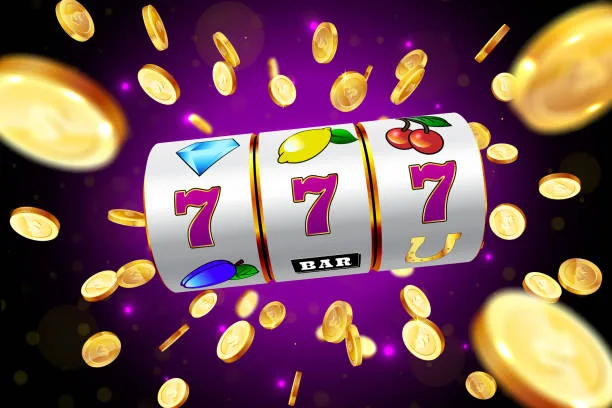
Online slot games have moved far beyond the basic appearance of mechanical reels. Modern versions combine digital graphics, animation, responsive controls, sound, interface effects, and feature-based visual changes within a single screen.
The reels still remain a central part of the format, but they now operate as one component within a larger digital system. Advances in browser technology, mobile hardware, and graphic processing have allowed developers to present reel activity through richer visual structures.
These changes show how a simple spinning format has gradually become a more interactive form of digital entertainment.
Reels Have Become Part of a Larger Visual Interface
Modern slot screens contain much more than symbols moving across columns.
Reels are now surrounded by controls, information panels, animated backgrounds, counters, feature indicators, and other interface elements that help communicate what is happening.
Digital Reels Allow Greater Visual Flexibility
Traditional mechanical slot machines depended on physical reels with a limited number of printed symbols. Digital formats are controlled through software, allowing developers to present symbols in many different visual arrangements.
Reels can change size, expand, shift position, or appear alongside additional visual panels. Symbols can also react to events through movement and graphical effects.
Digital reel structures may support:
- Changing reel configurations
- Animated symbols
- Expanding visual areas
- Feature indicators
- Moving backgrounds
- On-screen counters
These elements allow the reel area to communicate more information while keeping the basic spinning structure familiar.
Visual Hierarchy Keeps Information Clear
Adding more elements to a slot screen requires careful organization. Important controls and reel information need to remain easy to identify.
Developers often use size, spacing, contrast, movement, and placement to create a clear visual hierarchy. The reels usually occupy the central area, while controls and supporting information appear around them.
This structure helps separate primary game activity from secondary menus and settings.
Animation Connects Reel Activity With Screen Events
Animation has become one of the main ways modern slot interfaces communicate changes.
Rather than acting only as decoration, movement can explain how symbols, counters, features, and other visual components relate to one another.
Symbols Can Respond to Specific Events
Digital symbols may change appearance after certain reel events. A symbol might expand, move toward another part of the screen, display a short effect, or become highlighted.
These responses help create a visible connection between the reel result and the next interface action.
Similar visual communication principles appear across broader online gaming environments linked with platforms such as sbobet88, where digital interfaces rely on organized controls, changing information, and responsive screen elements.
Animation can therefore serve several practical purposes, including:
- Drawing attention to active symbols
- Showing changes in counters
- Indicating feature activity
- Connecting different screen areas
- Clarifying transitions
Each movement can help explain what the interface is doing without filling the screen with additional written instructions.
Background Animation Adds Context
Background graphics have also become more active in modern slot development.
Instead of remaining completely static, backgrounds may include light movement, environmental effects, changing objects, or transitions connected to certain features.
These effects can give the interface a stronger visual identity while keeping the main reel area clearly visible.
Interactive Features Add More Layers to the Reel Format
Digital technology has allowed slot interfaces to include interactive components that work alongside the reels.
These features can change what appears on the screen, introduce new visual states, or provide additional information.
Feature Panels Organize Additional Information
Some interfaces include panels that appear only when particular features become active.
A panel might display a counter, multiplier, progress indicator, or other relevant information. Once the feature ends, the interface can return to its regular arrangement.
This approach helps developers keep the main screen organized while still providing information at the appropriate moment.
Progress Indicators Show Changes Over Time
Counters, meters, and progress bars can make changing values easier to follow.
If a feature develops across several stages, a visual indicator can update after each stage. Users can then see the current status directly instead of relying on repeated text explanations.
These elements turn the reel screen into an information system as well as a visual display.
Mobile Technology Has Changed How Slot Experiences Are Presented
The rise of smartphone gaming has influenced almost every part of online slot presentation.
Smaller displays require interfaces that remain readable, responsive, and easy to control.
Responsive Layouts Adjust to Screen Size
Modern slot interfaces can reorganize themselves according to the available display space.
On desktop screens, controls may appear beside the reels. On smartphones, the same controls may move below the main game area or into expandable menus.
Responsive layouts help maintain clear access to important functions across different device sizes.
Touch Controls Create More Direct Interaction
Mobile screens allow users to interact directly with buttons and menus through touch.
As a result, modern slot controls often use larger icons, clear spacing, and immediate visual feedback. A tap can trigger a button response, menu change, or short animation that confirms the action.
This direct form of interaction has become an important part of mobile-focused interface development.
Conclusion
Modern online slot games have transformed simple reel structures into layered digital experiences built from animation, responsive controls, feature panels, visual indicators, and adaptable screen layouts.
The reels remain central, but they now work closely with graphic effects, software logic, touch interaction, and changing interface elements. Mobile technology has accelerated this development by encouraging clearer layouts and more direct forms of interaction.
As browser capabilities and device hardware continue to progress, online slot interfaces are likely to place even greater attention on visual communication, responsive layouts, and coordinated digital features.