Jamie
Jamie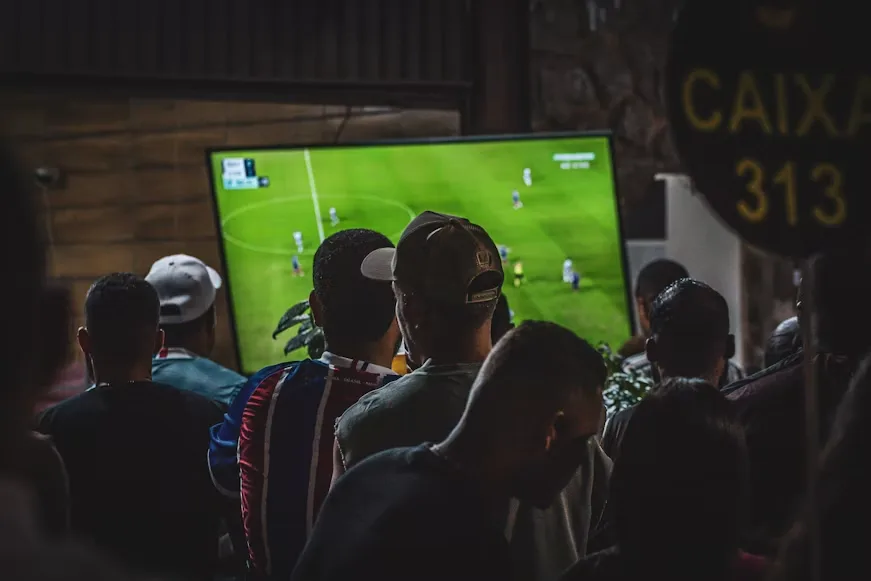
European football is not an exclusive European affair. From Toronto and New York, or Mumbai, Nairobi and Singapore, fans sacrifice weekends, alarms and staying up past midnight to catch clubs playing far away.
The passion is the same, but the routine is different. One generation ago, it may have been the most important game on one TV channel. As of today, some leagues can involve a number of subscriptions and apps.
With the 2026/27 season fast approaching, the international fan’s tool kit is increasingly on a phone. Streaming services provide the action, score apps break it down, social platforms bring communities together and comparison sites featured on Wincomparator enable users to explore predictions, statistics and evolving bookmaker odds. Today’s fandom isn’t one broadcast, it’s an orchestrated multi-platform experience based on information, interaction and choice.
The maze of modern broadcasting: a challenge for global fans
The first hurdle to overcome in order to watch football overseas is broadcast fragmentation. The rights to Premier League matches are sold by competition and by territory so the Champions League or domestic cups cannot appear on a service that has the Premier League.
NBC Sports has Premier League rights in the United States via NBC, USA Network and Peacock while La Liga is with ESPN. While La Liga is on TSN and RDS, and DAZN broadcasts the Champions League, Fubo is an essential option for Canadian viewers for every Premier League match.
In India, Premier League coverage in India is available via JioStar’s Star Sports (TV) and JioHotstar (streaming) platforms, FanCode is the exclusive home for La Liga, and SonyLIV is the home for UEFA club competitions.
This means a high price puzzle. If you are a Liverpool fan, or Real Madrid, or Champions League nights, you might require a number of accounts with different packages and limits.
Others resort to using VPNs for access to services in their home region, but circumventing region restrictions can violate platform terms and conditions, and does not constitute a subscription. It’s best to look at official rights listings before paying.
The rise of the ‘second screen’: a more interactive game day
All things can be controlled using the smartphone, though the match can be watched via the TV. This “second screen experience,” is where another device is used to look at live football stats, tactical discussion, fantasy updates and social commentary.
Fans verify line-ups, analyse expected-goals and view footage from the official highlight reels and feelings from X, Reddit, WhatsApp or Discord.
Assists and bonus points are tracked live by the fantasy managers. Supporters from across the continents respond in real time, forming a virtual stadium that never closes.
That makes viewing an active participation and not a passive consumption. A routine fixture turns into a rolling conversation of statistics, memes, tactical diagrams and instant opinion. Second screen provides for broadcasters and clubs to alert, poll, highlight and personalise.
The modern fan’s digital toolkit: apps for every need
Football streaming apps are the first part of the toolkit. Official broadcaster applications offer a legal way to watch live coverage, replays and studio analysis (where available). Fans need to check if they need a streaming-only tier or an included channel.
The third type are news and statistics applications. FotMob and OneFootball (and others) provide scores, line-ups, tables, injury news and performance stats. They assist when it is impossible to watch everything due to simultaneous kick-offs.
Apps are the social layer that are created and shared within the community. Reddit communities, Discord channels and supporter teams provide discussion and a sense of community. This is helped by their speed, but caution should be exercised for unverified transfer claims and edited clips.
Adding a stake: the role of betting apps
In regulated markets, sports betting apps provide yet another level of engagement. Live betting is appealing because the odds change based on goals, cards, substitutions and the momentum of the game, allowing users to try their luck at predicting the outcome as the game is played.
But there may be different prices for the same selection between operators. Taking the initial quote might decrease returns with the passage of time. Gambling should continue to be voluntary, adult-only, locally legal and should be regulated with strict betting limits.
From fan to analyst: how to engage smarter with the game
The first step toward smarter engagement is to do so by discarding emotion and retaining evidence. One big moment, one big news headline can cloud judgment.
An analytical fan looks at the team news, the congestion and tactical aspects of the matches, the home and away form, and the quality of the chances as well as the results.
The odds comparison site involves one more step for bettors. Comparison technology harvests markets and shows different pricing for the same occurrence, rather than launching multiple sportsbook applications.
Although the odds might seem negligible, continuously picking higher odds increases the chances of winning without altering the prediction.
Wincomparator is ideal for this data-driven routine, as it offers football predictions, statistical analysis and live tracking, as well as real-time odds comparisons between bookmakers.
It doesn’t eliminate uncertainty, no model offers any certainty. Its benefit is that it helps to arrange information, which enables users to compare instead of guessing before putting their bets.
The future of watching football: what’s next for global fans?
The next phase will introduce greater customisation in the broadcasts. Interactive streams may provide the viewer with options to choose which camera to watch, or insert tactical maps and live statistics next to the action. Broadcasters are creating vertical mobile feeds and commentary in multiple languages and personalised highlights.
Augmented reality can display player statistics in living rooms and virtual reality can provide the stadium perspective overseas. Depending on the cost, connectivity and comfort, the trend is obvious: European football is moving towards being immersive, portable and data rich.
The TV doesn’t ‘vanish’. It’s now part of a bigger digital matchday. It is best navigated by international football fans who manage their subscriptions, check their information and use technology in a selective way while keeping his/her betting responsible. The modern supporter is not just a spectator of the game but much more, analysing and controlling with greater awareness.