Jamie
JamieIn the early days of professional Dota 2, team line-ups often resembled a group of friends who had made their way together from local tournaments to The International. By 2026, this model had all but disappeared; decisions on line-ups are now made by managers and coaches, rather than the players themselves.
Due to the high level of competition at the professional level, even a few poor runs can cost a player their place in the team, regardless of how many years the squad has spent together. In this article, we’ll explore why modern Dota 2 increasingly resembles a corporate environment, and the pros and cons of this evolution for esports.
From Friends to Employees
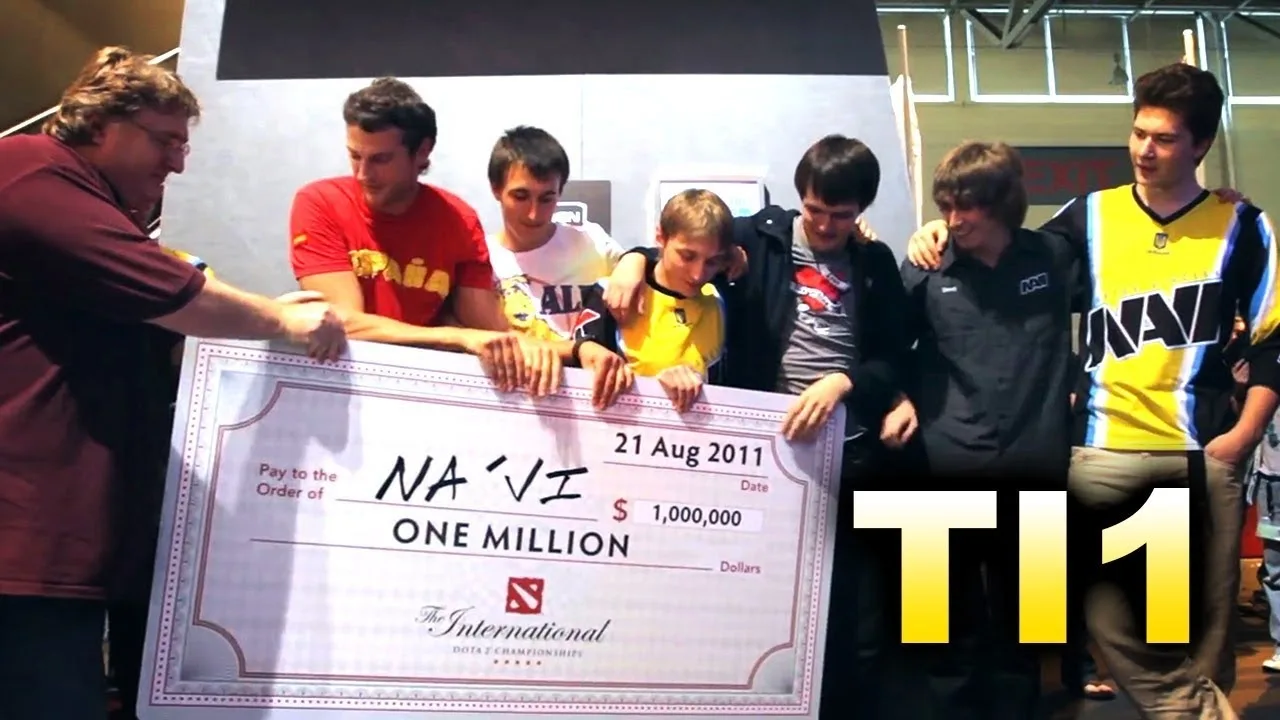
In the early days of the professional scene, most well-known line-ups formed organically. Players who regularly played together in pubs and at LAN tournaments gradually formed teams based on trust and friendship. This is exactly how legendary line-ups such as Natus Vincere, Alliance, Team DK, Wings Gaming and other organisations came into being.
If you look at Dota 2 pro teams, it’s easy to see just how drastically the average lifespan of teams has changed. Today, most esports organisations are built on a different principle. If you look at dota 2 pro teams, it’s easy to spot the changes in the average lifespan of line-ups, as organisations quite often carry out roster changes.
Following a disappointing tournament, or due to internal disputes, management doesn’t hesitate to replace players, which makes competition significantly fiercer.
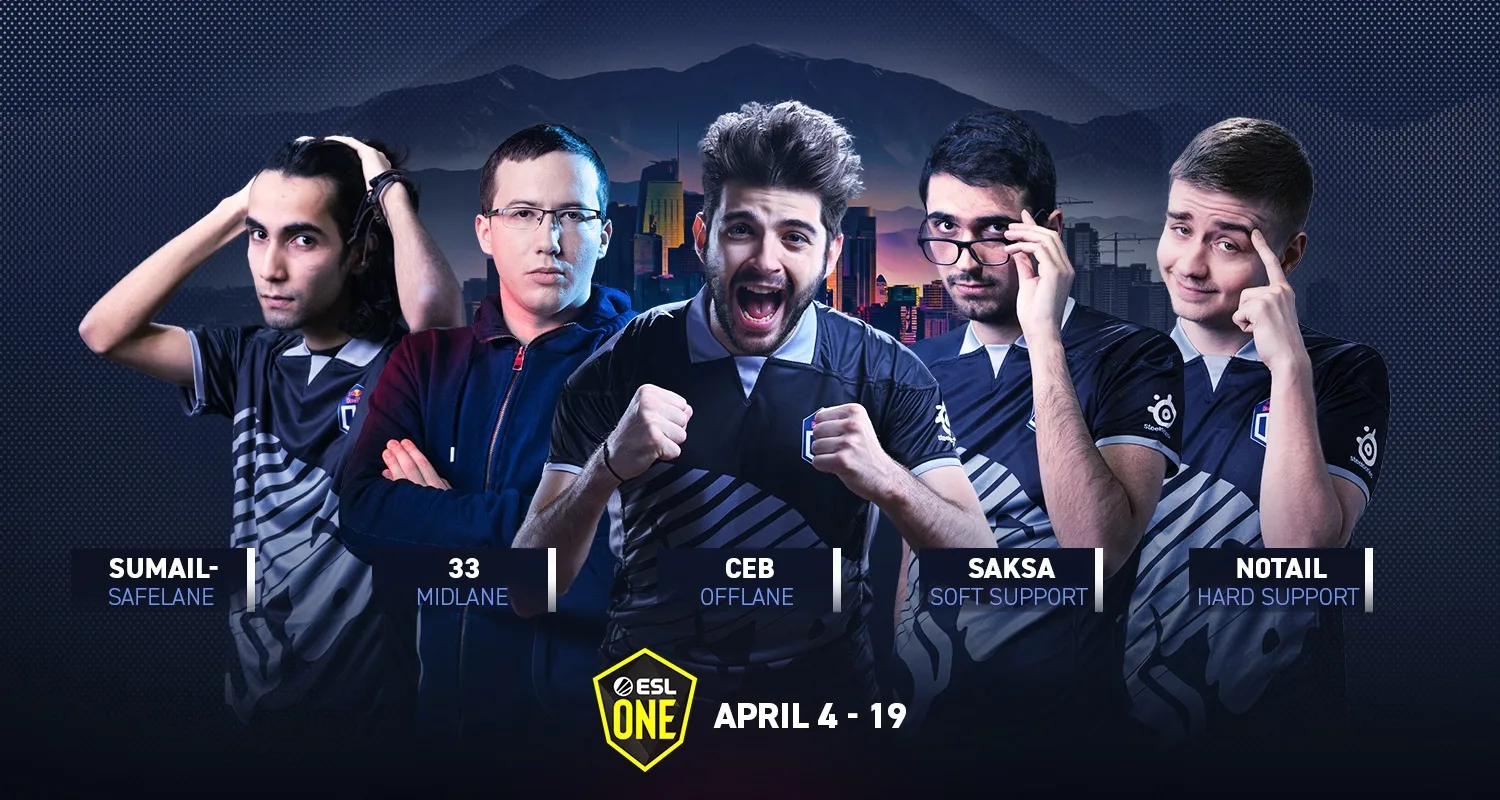
Let’s look at the example of the OG sample of 2018-2019, when the team won two in a row The International, although few believed in them. A huge role was then played by the atmosphere inside the team. Johan “N0tail” Sundstein has repeatedly said that mutual support was no less important than mechanical mastery.
Now such a story looks almost impossible, because most organizations are built on a corporate structure. Players have clear KPIs, analysts make clear financial plans and requirements for results. If a team does not make the playoffs in several major tournaments, the question of replacing players may arise.
Why Organizations Prefer Constant Roster Changes
Professional Dota 2 is more than just a competition between five players. Major clubs run boot camps and employ coaching staff, media teams and analysts. Every decision is now based on economic and logical grounds.
If an organisation invests hundreds of thousands of dollars in a team per season, it expects to recoup at least that amount. So if a squad fails to live up to expectations and performs poorly at several Tier 1 tournaments, it is much easier for management to replace one or two players than to wait for the squad to gel. From a business perspective, this makes sense, but for team morale, this model works much less well.
Esports, like traditional sports, has a transfer market where teams can look for players. It also has benefits for the players themselves, who can receive several advantageous offers and choose which team to join. Rumors of conversions spread instantly on Dota 2 Reddit discussions, official ESL pages, PGL, BLAST, and esports platforms. So the transfer market has also become an important part of the professionalization of Dota 2.
The Hidden Cost of Corporate Management
The problem lies not only in the large number of transfers. Frequent line-up changes gradually erode trust within the organisation and the friendly atmosphere within the team. Communication within the team takes months to develop. Players begin to instinctively understand each other’s decisions without needing to say a word, and it is precisely this synergy that has often been the reason behind sensational victories.
When an organisation is constantly making changes, the process starts all over again. A new off-laner, a new support or a new captain may be stronger in terms of mechanical skills, but have poorer communication skills.
When watching qualifying matches on TI 15, it is clearly noticeable that the players behave much more professionally than before. Previously, players did not hold back emotions and rested between maps, while on modern broadcasts the atmosphere looks more restrained. Even after victories, teams often remain as official as possible. Fans who follow these matches and related esports content may also come across resources such as Betwinner app download when exploring ways to stay connected with the wider competitive gaming scene. Such details do not directly affect the outcome of the match, but form the attitude of fans to the team.
Can Friendly Lineups Return Again?
It is unlikely that we will ever fully recapture the atmosphere of the early 2010s. The industry has grown too large, and organisations are focused on quick results rather than building a team from scratch.
However, this does not mean that teams built on friendship can no longer achieve success. Such teams continue to compete at Tier 2 and Tier 3 levels, often achieving success. Friendly teams often do not focus solely on statistics or victory, but build their gameplay around a positive atmosphere within the team. As a result, players do not change as frequently in such teams.
Returning to Tier-1 teams, in our opinion, it is worth introducing longer contracts. If the organization immediately plans the development of the composition for two or three seasons, it gets more time to form team interaction. Fans are also more willing to support stable teams. Experience shows that stories about friends who go through a difficult path to the championship together remain much more popular than transfer news.
Conclusion
In this article, you have learnt how professional Dota 2 has evolved from groups of friends to large organisations with entire teams of specialists. The conclusion is simple: the professional scene has become much more organised than it was in its early days, and in doing so has lost some of its spontaneity.
The business approach has helped to increase budgets, improve infrastructure and turn esports into a billion-dollar industry, though it lacks the atmosphere of the early days of The International and the Majors.
The most successful line-ups in the history of the discipline have almost always shared one common trait: they were built not only around individual skill, but also around mutual understanding between players. The success of the professional scene will depend on whether organisations can strike a balance between corporate efficiency and the human relationships that once made Dota 2 so special and beloved amongst esports fans.