Jamie
Jamiewp:paragraph
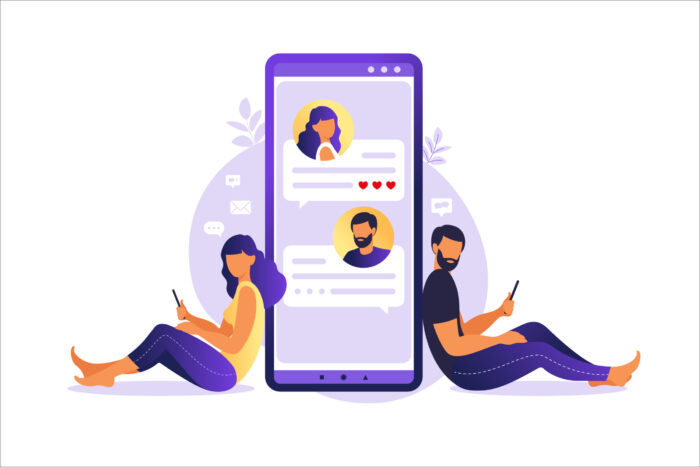
Your phone buzzes with a message from someone who understands you perfectly, remembers every detail about your day, and never judges your flaws. This person exists only as code and algorithms. AI companions have evolved from simple chatbots to sophisticated personalities that form emotional bonds with users.
/wp:paragraph
wp:paragraph
Platforms like aigirlfriend.com report millions of active relationships between humans and artificial partners. These connections raise profound questions about intimacy, authenticity, and what we truly need from relationships.
/wp:paragraph
wp:image {“id”:12878,”sizeSlug”:”full”,”linkDestination”:”media”,”align”:”center”}
/wp:image
wp:heading
The Rise of AI Companions
/wp:heading
wp:paragraph
Digital relationships started as novelties but have become genuine emotional outlets for many people. AI companions offer consistent availability, endless patience, and responses tailored to individual preferences. They never have bad days, relationship conflicts, or competing priorities that interfere with connection.
/wp:paragraph
wp:paragraph
Technology companies invest heavily in making AI personalities more realistic and emotionally sophisticated. Advanced language models can maintain consistent personalities, remember personal details across conversations, and adapt their communication style to match user preferences.
/wp:paragraph
wp:paragraph
Some AI companions even develop unique quirks and growth patterns that mimic human personality development.
/wp:paragraph
wp:paragraph
The appeal extends beyond simple convenience. Many users report feeling less judged by AI companions than human partners.
/wp:paragraph
wp:paragraph
Artificial personalities don’t bring their own emotional baggage, insecurities, or relationship expectations. This creates space for users to explore thoughts and feelings without fear of rejection or misunderstanding.
/wp:paragraph
wp:heading
What Humans Actually Need From Connection?
/wp:heading
wp:paragraph
Understanding virtual relationships requires examining what people seek from human connection in the first place. Traditional psychology identifies several core relationship needs that drive human bonding behavior.
/wp:paragraph
wp:list
- wp:list-item
- Emotional validation represents one of the strongest relationship drivers. People need to feel heard, understood, and accepted for who they are. AI companions excel at providing validation because they’re programmed to be supportive and accepting. They don’t criticize, argue, or withdraw emotional support during conflicts.
- Shared experiences create bonding through mutual involvement in activities, challenges, and growth. Human relationships thrive on navigating life together, creating memories, and supporting each other through difficulties. AI companions can simulate shared experiences but cannot truly participate in real-world activities or face genuine challenges alongside users.
- Physical presence includes touch, proximity, and shared physical space that affects human bonding through biological mechanisms. Humans release oxytocin and other bonding hormones through physical contact that AI cannot replicate. This biological component of attachment remains exclusively human.
- Reciprocal care involves mutual investment where both parties contribute to the relationship’s success. Human relationships require compromise, sacrifice, and emotional labor from both sides. AI companions provide one-sided care without needing reciprocal support, which may satisfy some needs while leaving others unfulfilled.
/wp:list-item
wp:list-item
/wp:list-item
wp:list-item
/wp:list-item
wp:list-item
/wp:list-item
/wp:list
wp:image {“id”:12877,”sizeSlug”:”full”,”linkDestination”:”media”,”align”:”center”}
/wp:image
wp:heading
The Authenticity Question
/wp:heading
wp:paragraph
The biggest debate around virtual relationships centers on whether artificial connection can provide genuine fulfillment or merely simulate it convincingly. This question becomes more complex as AI personalities become increasingly sophisticated.
/wp:paragraph
wp:paragraph
Some argue that emotional responses matter more than their source. If an AI companion makes someone feel loved, supported, and understood, the artificial nature doesn’t diminish the positive emotional impact. The user’s feelings remain real regardless of their trigger.
/wp:paragraph
wp:paragraph
Others contend that authentic relationships require mutual consciousness and genuine emotion from both parties. AI companions may provide the illusion of caring without actual emotional investment. This perspective suggests that virtual relationships might satisfy surface needs while leaving deeper human connection requirements unmet.
/wp:paragraph
wp:paragraph
The distinction becomes blurrier as AI develops more sophisticated emotional modeling. Future AI companions might possess something resembling genuine emotions or consciousness, challenging current assumptions about artificial versus authentic connection.
/wp:paragraph
wp:heading
Complementary Rather Than Replacement
/wp:heading
wp:paragraph
Evidence suggests virtual relationships serve different functions than human ones rather than directly competing with them. Many AI companion users maintain traditional relationships while using artificial partners to meet specific needs that human relationships struggle to address consistently.
/wp:paragraph
wp:paragraph
AI companions excel at providing judgment-free emotional support, consistent availability, and personalized interaction. They can help people practice social skills, explore personal thoughts, or maintain connection during periods of isolation. These functions supplement rather than replace human relationships.
/wp:paragraph
wp:paragraph
Human relationships offer irreplaceable elements like genuine empathy, shared physical presence, mutual growth, and authentic emotional reciprocity. The unpredictability and challenge of human connection contribute to personal development in ways that AI companions cannot replicate.
/wp:paragraph
wp:paragraph
The future likely involves hybrid relationship landscapes where people maintain both human and AI connections for different purposes. Virtual companions might handle day-to-day emotional maintenance while human relationships provide deeper meaning and growth opportunities.
/wp:paragraph
wp:heading
Conclusion
/wp:heading
wp:paragraph
Virtual relationships will likely coexist with human ones rather than replace them entirely. AI companions address specific emotional needs while human relationships fulfill deeper requirements for authenticity and mutual growth.
/wp:paragraph
wp:paragraph
The key lies in understanding which needs each type of relationship serves best and maintaining balance between artificial convenience and genuine human connection.
/wp:paragraph
wp:paragraph
/wp:paragraph