Jamie
Jamiewp:image {“id”:12885,”sizeSlug”:”full”,”linkDestination”:”media”,”align”:”center”}
/wp:image
wp:paragraph
Modern smartphones now often ship with features that are geo-restricted at the device level. Companies may disable or enable certain functions based on the phone’s region settings or the carrier’s policies.
/wp:paragraph
wp:paragraph
To get around such limits, many users try to bypass restrictions using proxy servers especially since they come with a low or no investment at all.
/wp:paragraph
wp:paragraph
Free proxies (for example, open HTTP proxies or SOCKS5 proxies) can route your traffic through another country, making it appear you’re browsing from a permitted region. This trick is highly effective for accessing geo-blocked websites or online content.
/wp:paragraph
wp:paragraph
If a streaming service or app is unavailable in your country, using a proxy to obtain an IP address in a supported location will often unblock it. Proxies thus serve as a convenient workaround to web-based restrictions and censorship.
/wp:paragraph
wp:paragraph
However, it’s crucial to understand the limits of proxies for in-device locks. A proxy can change your apparent online location, but it cannot change region-coded settings on the phone itself. Many features are governed by firmware or carrier checks, not just your IP address.
/wp:paragraph
wp:paragraph
For instance, Samsung’s new Galaxy S25 has an Emergency Satellite Messaging feature – but “it’s only available if you’re with Verizon” in the U.S.. No proxy can enable that on a device outside the supported network, since the phone needs a real carrier partnership for satellite service.
/wp:paragraph
wp:paragraph
If a function is disabled in your phone’s software for legal or regional reasons, changing your IP address won’t bring it back. In short, proxies are extremely useful for bypassing online geo-blocks, but when the phone has an in-device restriction, it’s better to reconsider the purchase decision.
/wp:paragraph
wp:heading
Region-Locked Features in the Galaxy S25 and Other Flagships
/wp:heading
wp:paragraph
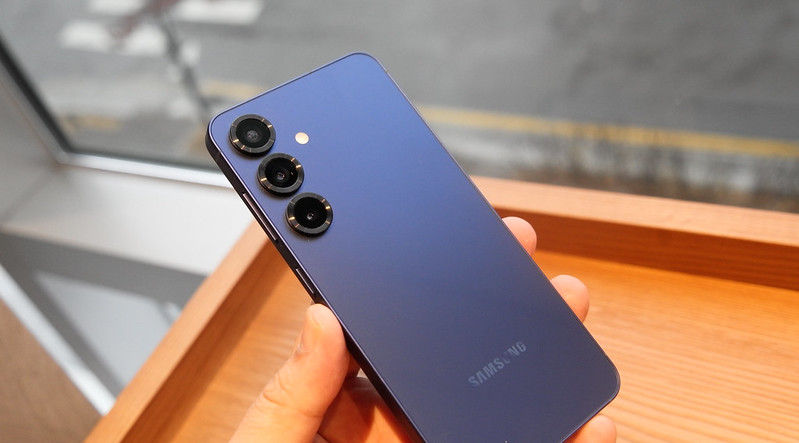
The Samsung Galaxy S25 series exemplifies this trend of fragmented features by region. Samsung touts the S25 as a true AI-powered phone with intelligent personal assistants and on-device generative tools – even offering its new Galaxy AI services free through 2026.
/wp:paragraph
wp:paragraph
However, not every S25 owner gets the same experience. The fine print admits Galaxy AI features may vary depending on the region/country, device model, and phone carrier.
/wp:paragraph
wp:paragraph
In Europe, for instance, stringent data laws mean some AI functions launch later or with adjustments, while other regions might miss out due to language support or lack of local partnerships.
/wp:paragraph
wp:paragraph
Notably, a number of key features on the S25 (and other flagship phones) are limited by geography or carrier. For example:
/wp:paragraph
wp:list
- wp:list-item
- Emergency Satellite SOS: The Galaxy S25 supports satellite-based emergency texting, but at launch this worked only via Verizon in the U.S.. Every S25 has the hardware, yet without a local carrier deal, the feature stays dormant elsewhere.
- Native Video Calling: Samsung’s dialer includes a video call button (similar to FaceTime) that is carrier-restricted. Only certain carriers or regions support it, so many users simply won’t see the option.
- Call Recording: As noted, built-in call recording is disabled in many markets. Android phone makers uniformly block this feature in Europe and much of North America for legal reasons , even though it’s available in regions like Asia.
- Good Lock Customization: Samsung’s popular Good Lock app (for deep UI tweaks) was long geo-locked to a few countries. Users elsewhere had to find unofficial tricks to install it (the restriction is finally lifting – in 2026 Samsung made Good Lock available globally after years of complaints).
- Apple’s AI Features: This issue isn’t unique to Samsung. Apple, for example, withheld some new iOS 18 features (branded “Apple Intelligence”) from European iPhones in 2024 due to “regulatory uncertainties”.
/wp:list-item
wp:list-item
/wp:list-item
wp:list-item
/wp:list-item
wp:list-item
/wp:list-item
wp:list-item
/wp:list-item
/wp:list
wp:paragraph
These examples show how a flagship’s advertised abilities can vary widely. Often it’s headline features – like emergency SOS or AI assistants – that get limited. From a marketing perspective, this can be problematic. Companies build hype around these capabilities, and consumers expect to use them.
/wp:paragraph
wp:paragraph
A recent survey found that 40% of users “won’t buy a phone” without satellite connectivity, highlighting how such features drive purchase decisions. When a touted feature then turns out to be unavailable in a given country, it feels like a bait-and-switch for those customers.
/wp:paragraph
wp:paragraph
Device-level restrictions are rising largely because phones now rely on cloud services and AI – areas that must obey local laws and infrastructure. The Galaxy S25’s launch shows that even cutting-edge phones come with fine-print footnotes about where their cool new tricks will work.
/wp:paragraph
wp:paragraph
Until global policies and partnerships catch up, consumers should double-check which promised features actually operate in their region. In 2026, where you live is increasingly dictating what your device can do.
/wp:paragraph