Jamie
Jamie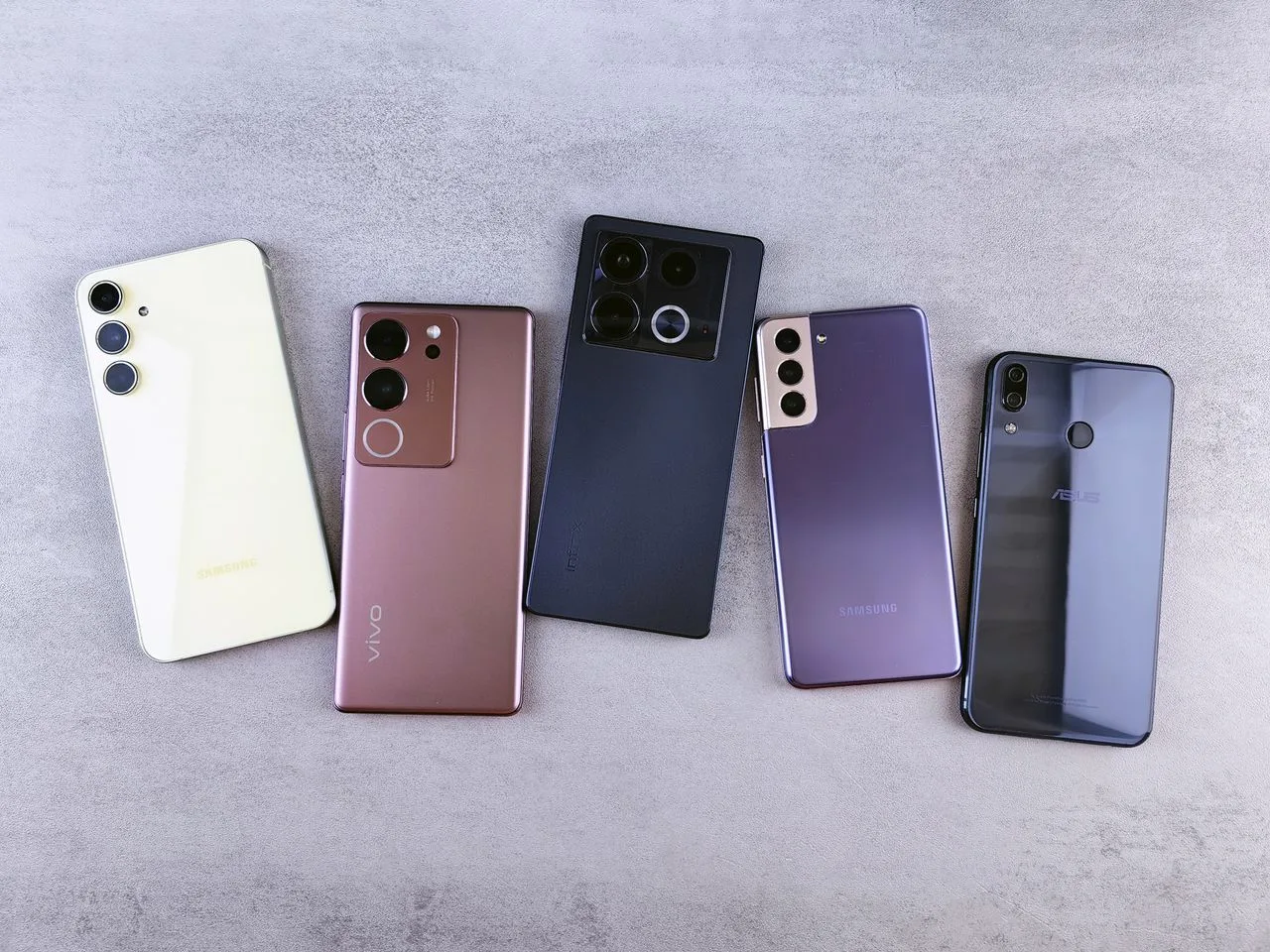
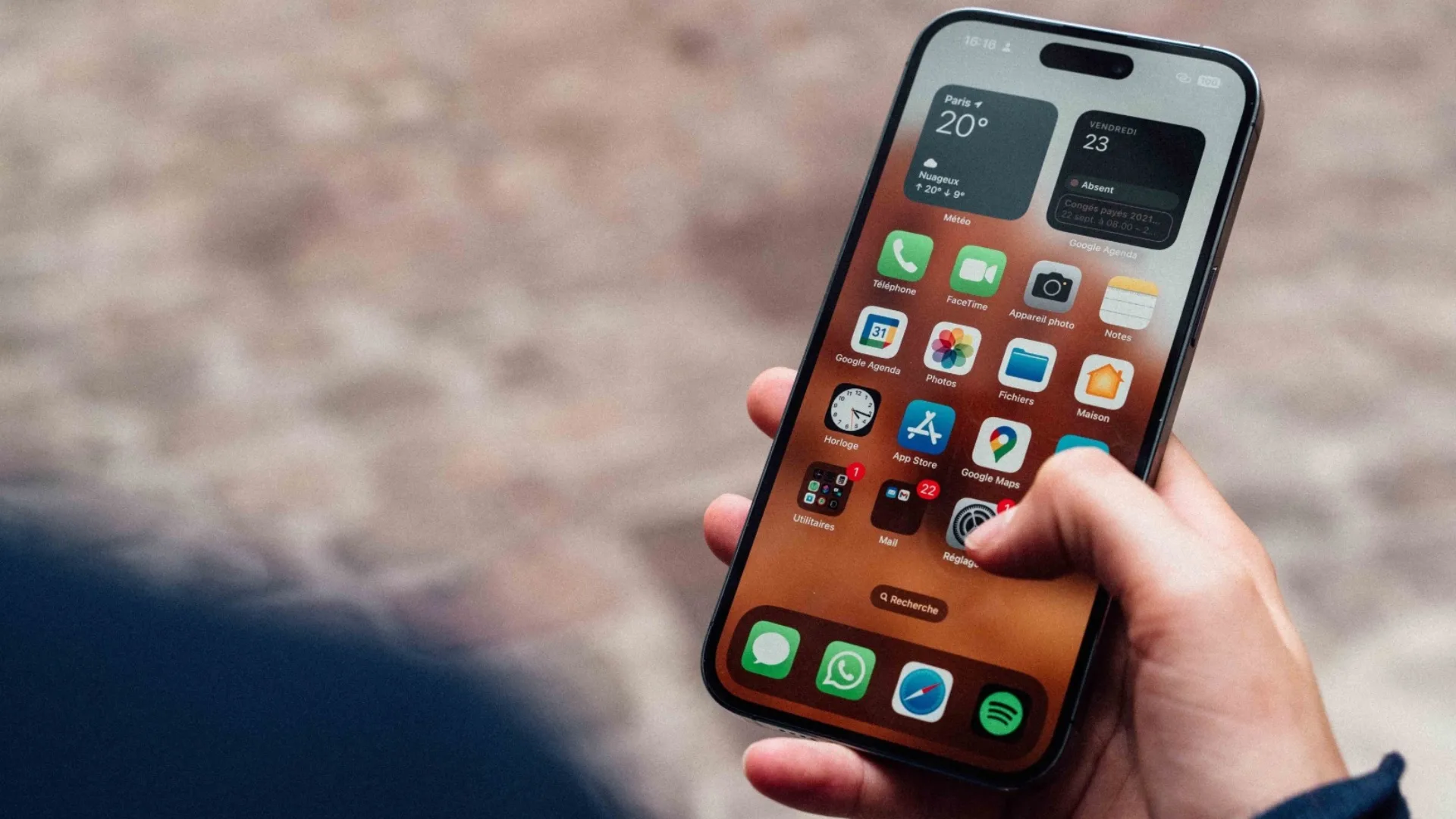
Smartphones have changed how people interact with digital entertainment. A device that used to serve for calls or messaging now handles games, streaming, shopping, and financial transactions within seconds. Such development is one of the reasons users started expecting platforms to work seamlessly on smaller screens.
This shift also affected online gaming and payouts. Searches for fast payout sweepstakes casinos reflect a broader interest in how quickly users can receive funds after requesting a withdrawal.
Platforms need to load fast while providing a clear overview of information on the screen, especially when account balances are involved.
However, payout speed is not determined by a single technology such as the smartphone. Several systems can be involved between the moment a withdrawal is requested and the moment the money reaches a user’s account.
Why Smartphones Matter for Digital Payouts?
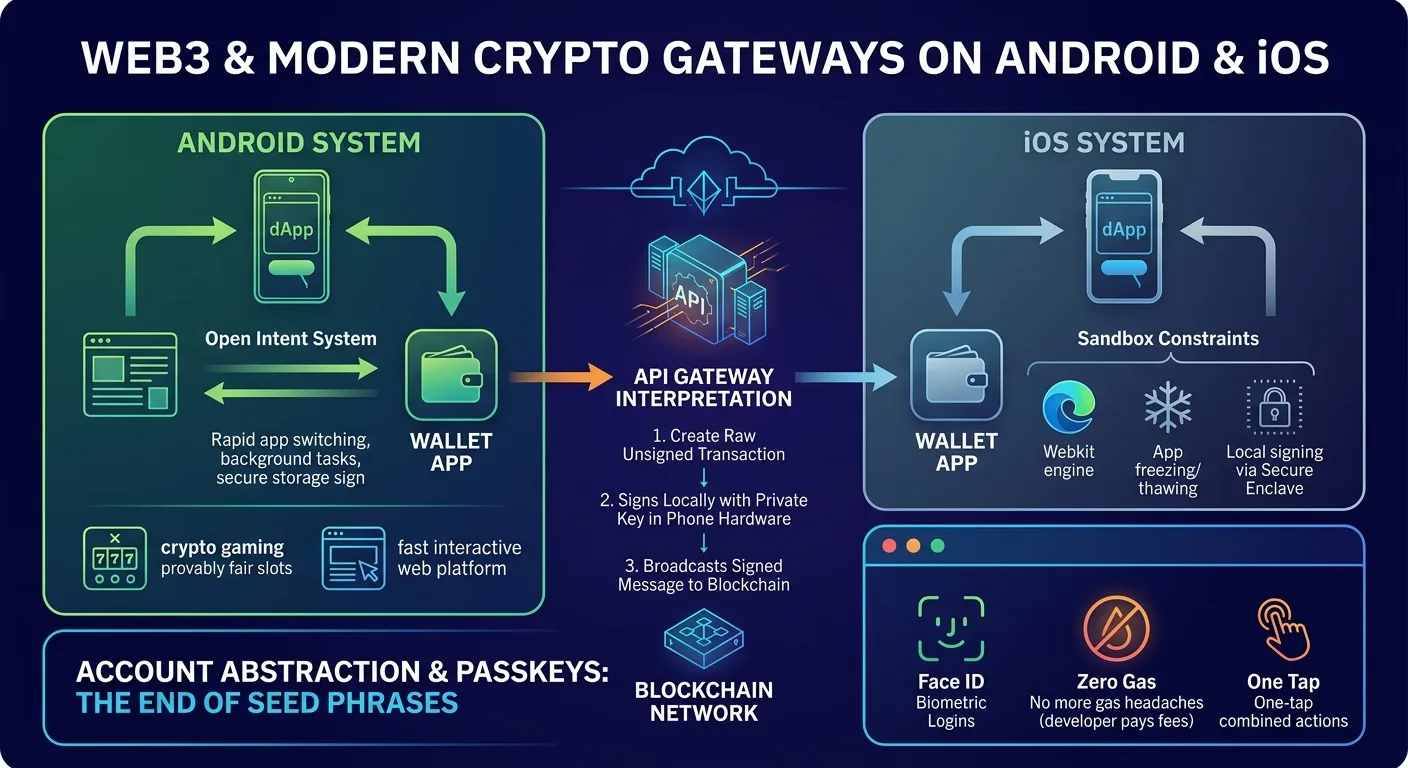
Secure operating systems, biometric authentication, encrypted connections, and mobile payment technologies have made smartphones useful for financial activity.
Users already rely on their phones to check bank accounts, approve transactions, and receive payment notifications. And this infrastructure can support gaming platforms.
A mobile-friendly gaming website allows players to manage an account, review transaction information, submit withdrawal requests, and monitor the status of a payment without switching to a computer. But the phone itself doesn’t control the entire transaction.
The actual movement of funds is handled via the gaming platform, payment processors, banks, or other systems. The phone is there as the interface through which the request is made.
A smooth mobile experience does not necessarily mean that a payment will be completed immediately. The interface can make a withdrawal request simple, while the systems operating behind it determine how quickly that request is processed.
The Smartphone’s Role in Secure Transactions
This whole process needs to remain highly secure. Luckily, mobile devices have a variety of security tools that protect payment activities. They replace raw financial data with encrypted tokens, require biometric verification, and enable contactless data transfers.
Tokenization is one of many core security technologies used on smartphones. During tokenization, a device replaces primary card numbers with a random, single-use digital token. Such data has no value to a hacker, even if they manage to obtain it.
Fingerprint sensors on a smartphone require physical confirmation before a transaction or an app unlocks, offering an additional layer of security. The same goes for facial recognition. With this technology, only the person owning the device can use it.
Then, there are passkeys, and two-factor authentication can all make it more difficult for another person to access an account. These technologies are especially relevant on mobile devices because the smartphone itself can become part of the authentication process.
Still, security isn’t limited to just the smartphone. All platforms involved, including the one receiving the request – such as the sweepstakes operator, the payment processor, and the financial institution need to maintain their own security measures.
On the other hand, users need to keep their operating system and browser updated, and avoid phishing and suspicious websites to remain fully protected.
What Actually Determines Payout Speed?
The first thing that determines how quickly someone will receive their funds is the platform processing. A withdrawal request usually needs to be reviewed and then approved.
A well-designed application can streamline the experience until the moment the withdrawal button is pressed. After that, it’s all about how quickly the platform handles data.
The second stage involves the payment provider. Once the platform approves the withdrawal, the relevant payment network or financial service needs to process the transaction.
Finally, the receiving bank or wallet may need some more additional time before the funds become available.
This creates an important difference between processing time and delivery time. A platform may approve a withdrawal quickly, but the payment provider or receiving financial institution may still need additional time to complete the transfer.
Payment Methods Can Affect the Process
Banks, e-wallets, and cryptocurrencies all operate through different payment infrastructures. Some transactions can be confirmed relatively quickly, while others may require additional processing between financial institutions.
Digital wallets are quite convenient because they’re already integrated across mobile ecosystems. Users can authenticate through the device and receive notifications within the same environment.
Cryptocurrencies are another example of a nearly instant payment option, often without an additional verification process if a user has a crypto wallet.
Why Mobile Optimization Still Matters?
Although payout processing happens largely outside the smartphone, the quality of the mobile interface still matters. A poorly designed page can make it difficult to find withdrawal information, understand account balances, or determine whether a transaction has been successfully submitted.
Responsive design is particularly important because smartphones have smaller screens than desktop computers. Well-designed buttons, readable transaction histories, visible status messages, and straightforward menus can reduce confusion and the chance of error. For comparison, a poorly optimized page creates uncertainty, even if it happens that the payment is progressing normally.
To Conclude
More and more users integrate smartphones with financial services or platforms that, at some point, handle payouts. This means that the boundary between gaming, paying via phone, browsing, and having fun is getting less visible.
As technology develops further, accounts may become more secure. Faster mobile networks might improve responsiveness even more. Digital wallets may keep reducing friction between online services and financial accounts.
But for users, the basics remain the same – a fast transaction is handy only when the process is transparent and secure. And while mobile phones aren’t the only aspect of fast online payouts, they play a crucial role in facilitating transfers via a smooth and secure interface.