Jamie
Pakistan is changing its financial rules regarding cryptocurrency. This is part of a wider plan to tokenise its assets.
Banks in Pakistan are now able to serve crypto-based companies, after a long-term ban was overturned. These changes began way back in April 2026, when a circular authorised regulated financial institutions to open accounts for Virtual Asset Service Providers (VASPs). This resolved some of the primary operational bottlenecks for one of the world’s most active and expanding crypto markets.
Pakistan’s Changing Government Attitudes to Cryptocurrency
All of this signals a huge change in Pakistan’s attitudes to cryptocurrency, at least from its government and financial systems. Primarily, this shift is to facilitate the introduction and use of stablecoins, which could prove very useful to its economy.
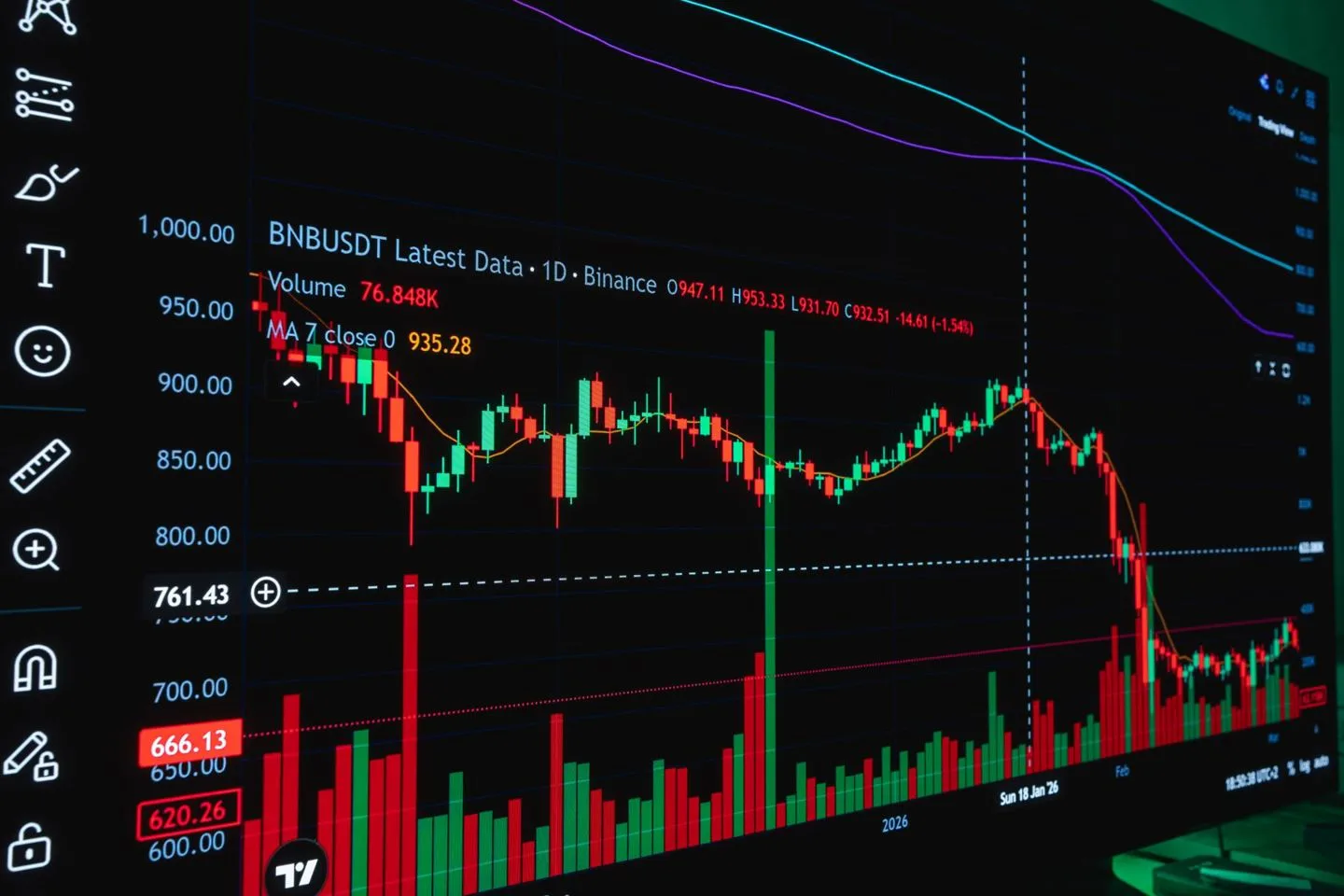
As of October 12th 2026, the price of USDT to PKR today stands at 276.45. Yet it is also in a bid to transform its economy into a cashless one.
This ban has been in place since 2018. Virtual asset providers must hold licenses or no-objection certificates from the Pakistan Virtual Asset Regulatory Authority, which was established in March.
Along with it were criminal penalties for non-compliance, which will include fines of up to Rs50mn ($179,000) and possible prison sentences for unlicensed operators.
Alisha Chhangani is the associate director at the Atlantic Council’s Geoeconomics Center. She noted that “The framework is more designed to let banks provide basic account access while ringfencing them from direct crypto market risk.” Banks are independently responsible for any vetting processes, conducting due diligence, and they must report any suspicious transactions.
Risk Management and Guardrails
There are several strict criteria that banks must adhere to. By no means does this mean banks will be dealing in cryptocurrency directly: They are forbidden to hold cryptocurrency on their balance sheets and are also not allowed to invest in digital tokens and assets.
Another safeguard regards Client Money Accounts, which must be segregated. This means corporate funds and customer deposits must not be mixed, and these accounts may not bear interest.
Another move has been the recent establishment of a new unit in the Federal Investigation Agency (FIA). This will be tasked with investigating crypto-related financial crimes. Specifically, it will look at money laundering and terrorism financing.
It will be joined by the National Cyber Crime Investigation Agency and the Anti-Narcotics Force, who will also be investigating their own areas and their relation to crypto.
It follows a move by the country to take the digital assets sphere much more seriously. One major move has been to partner with the exchange Binance, in a bid to tokenise state assets that could be worth up to US$2 billion.
It will allow Binance to provide input on how government bonds, debt securities, and reserves of commodities like oil and precious metals are distributed.
In a statement on their website released on December 12th 2025, Binance noted that “This phased approach allows us to begin providing AML-registered cross-border services to Pakistani users while we continue working closely with PVARA toward full authorization.
It aligns with Pakistan’s regulatory roadmap and reflects our long-term commitment to supporting the country’s digital economy.”
The Time for Change
The government’s attitude to cryptocurrency has long been at odds with that of the country’s population. By the beginning of 2025, around 25 million users of cryptocurrency resided in the country, providing around $300 billion in transactions. In 2025, it also ranked third in terms of global crypto adoption, behind only the US and India.
The move should also help transition the huge volumes of retail traffic in the country away from unregulated networks. It will take people away from unregulated peer-to-peer desks, funnelling them into safer, auditable bank-settled rails.
Pakistan has already begun to establish sandboxes that will allow it to test and evaluate the use of stablecoins. This is primarily concerned with international settlements. In the first quarter of this year, remittances hit $10.9 billion alone, rising by 14%.
The country has already announced its plans to make all remittances digital, as part of a broader move to turn its economy into a cashless one. Prime Minister Shehbaz Sharif has said that this would improve transparency, efficiency and economic activity. Officials have reported that the current rate stands at 92%.
All of this feeds into wider digital payment adoption by the country. In the past year, merchants using QR codes have risen by 300% and mobile bank users have increased from 95 million to 137 million.
Pakistan is changing. It is morphing into an environment of active, controlled supervision from one that was previously isolated and restrictive. How successful it will be depends on the level of operational efficiency this can bring and how well the communication between tech firms and banks works. This will bring a predictable legal framework and economic formalization.